
J-POWER, Hitachi and Macnica begin joint study of a physical AI platform for critical infrastructure
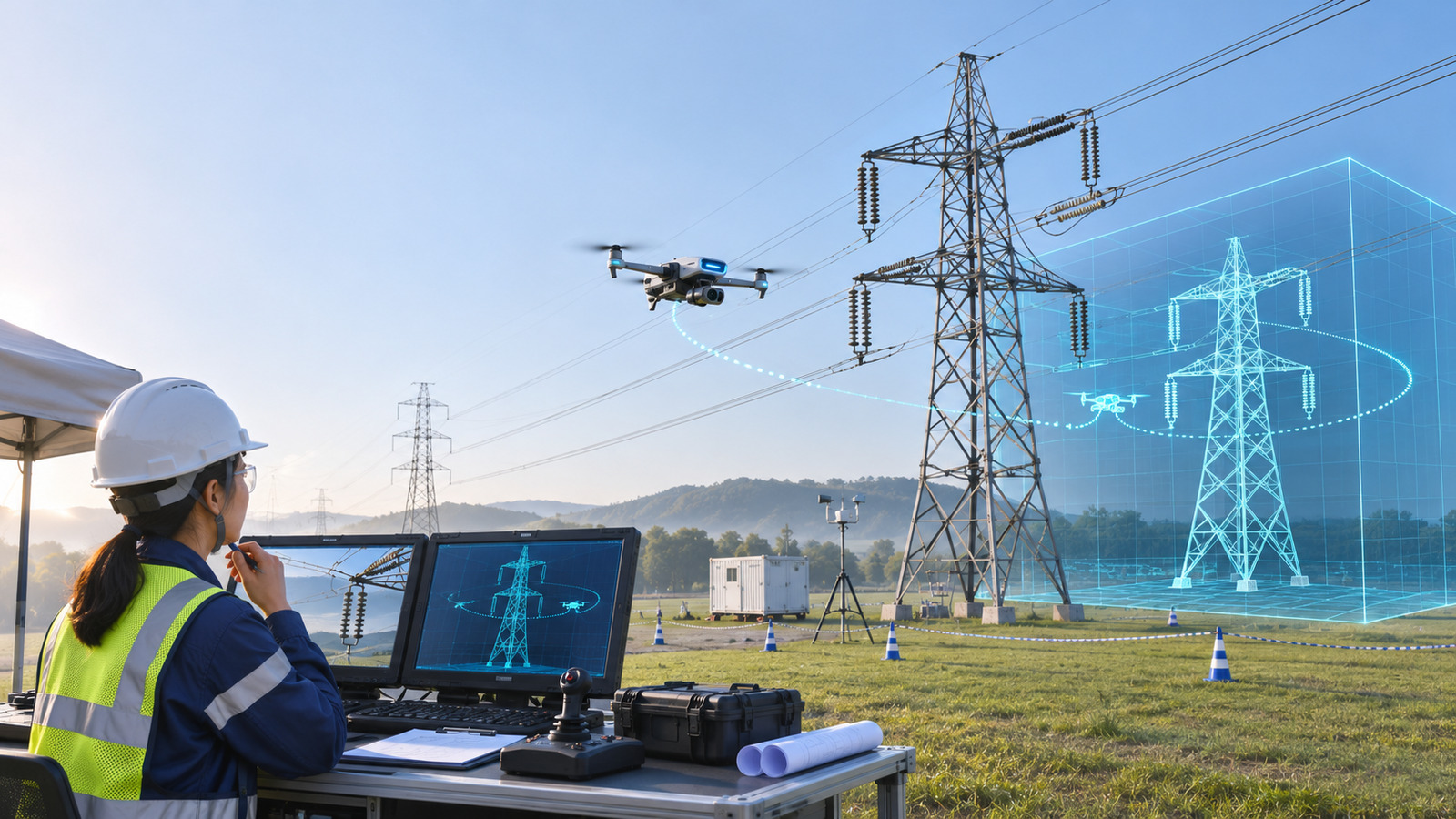
The three companies agreed to study a development platform that would validate physical AI models trained in simulation against real equipment. The first potential use case is next-generation power-line inspection drones; no completed product or active field deployment was announced.
AT A GLANCE
Key points
- The companies agreed to study a platform; they did not announce a finished product.
- The first proposed use case is next-generation transmission-line inspection drones.
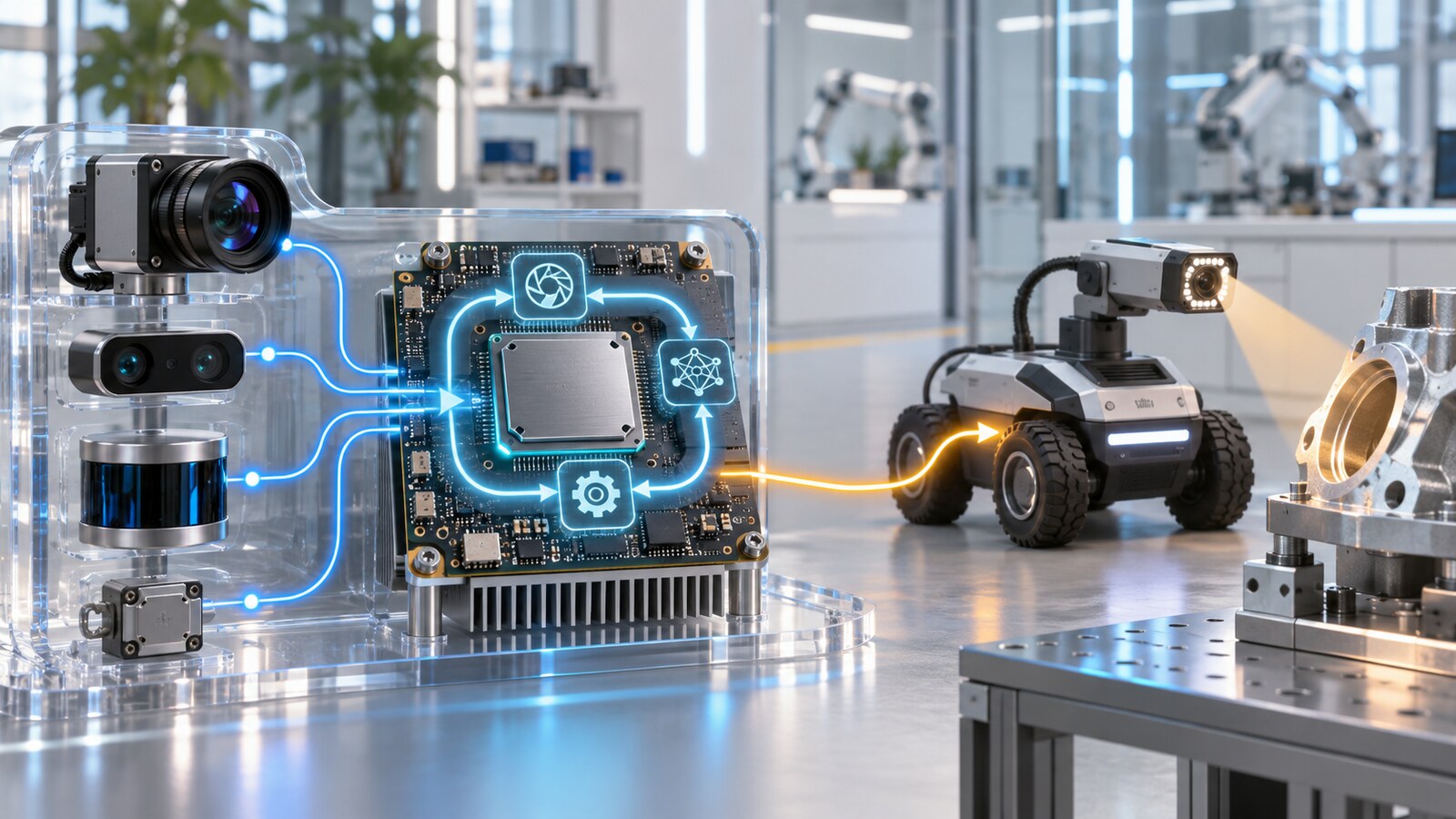
- The platform would connect simulation, edge execution and continuous retraining.
What is changing?
J-POWER, Hitachi and Macnica announced on November 19, 2026 that they had agreed to jointly study a physical AI development platform for critical social infrastructure. The agreement does not mean that a product is complete, a field deployment has started or a commercial service is available.
The proposed platform is based on a Sim2Real cycle: training and validating AI models in digital twins and simulations, running them on equipment and robots in the field, and feeding the resulting data back into further training. The companies plan to evaluate technologies including NVIDIA Omniverse libraries, Cosmos, Isaac and Jetson.
The first area under consideration is next-generation transmission-line inspection drones that could use J-POWER Group generation and transmission facilities as real-world test fields. The goals include equipment recognition, anomaly detection, autonomous movement and route planning at the edge without depending on constant cloud connectivity.
Under the proposed responsibilities, J-POWER would provide use cases and real fields; Hitachi would contribute IT, OT and infrastructure expertise to architecture, development and validation; and Macnica would support the Sim2Real demonstration environment.
The announcement sets out a long-term development framework for aging equipment and skilled-worker shortages in power infrastructure. Verified performance, safety metrics, a deployment schedule and production scale have not yet been disclosed.
This report is prepared with AI assistance and checked against sources. Automated checks do not constitute human editorial review. Editorial approach
Explore the original sources
Source date: 20 November 2026.
Published by AI Radar: 20 Nov 2026, 12:00 (Istanbul, UTC+3).
FOLLOW THE TOPIC
Topics and tags
Share your discovery.
Send this story to a friend.
Reader comments
What do you think about this development? Share your experience or question. Comments are published after editorial approval.
Your name/nickname and comment become public if approved. Read: Privacy notice.




Loading comments…