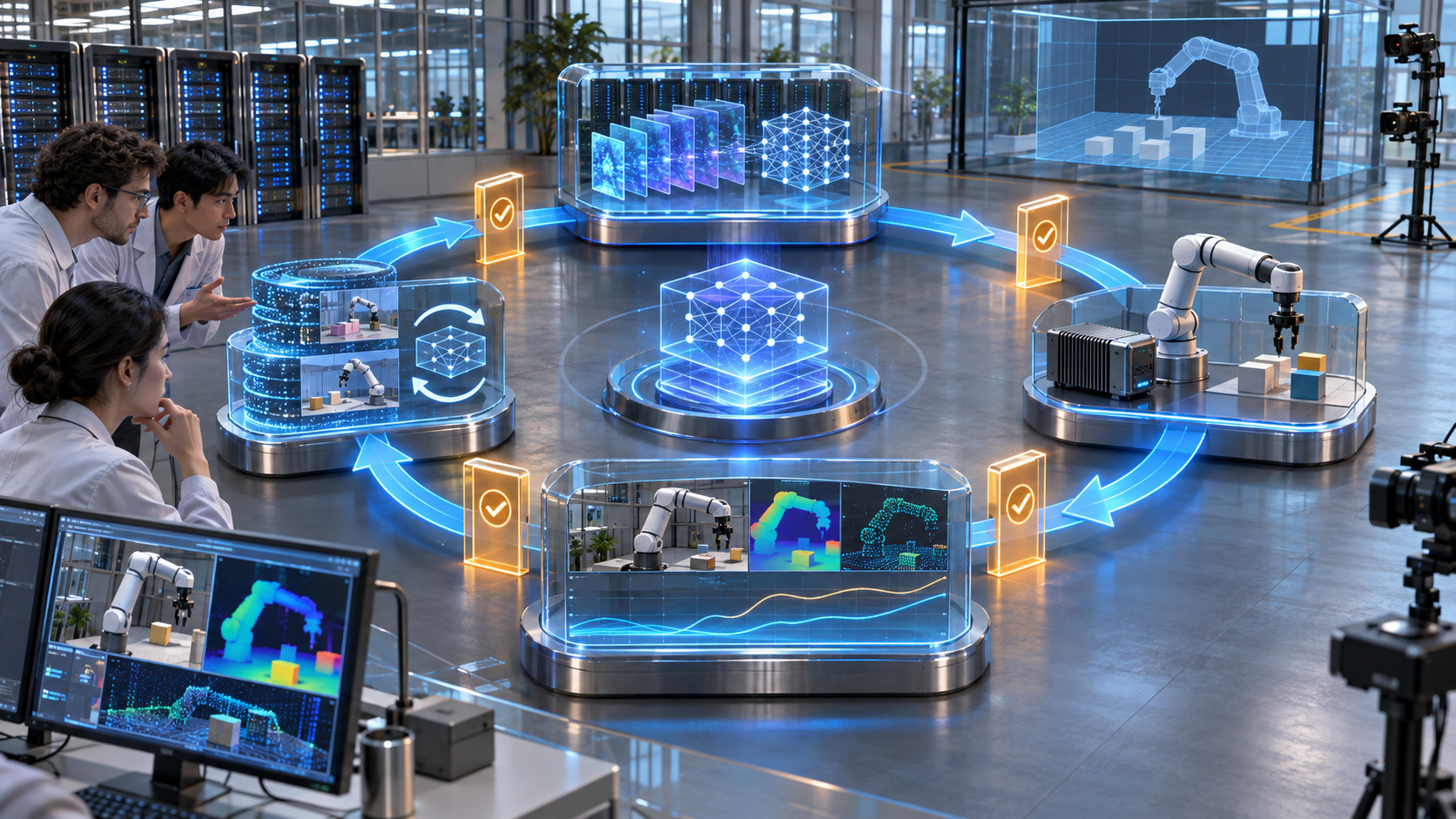
Hedra launched Model Factory for robotics, manufacturing, biology and defense teams. The platform combines GPU sandboxes, post-training, low-latency deployment and retraining from production evidence in one loop.
Hyland released OpenArch, an open-source hub that connects content across enterprise repositories to AI systems without migrating it. The hub is designed to resolve source-system permissions at query time while preserving metadata and business context.
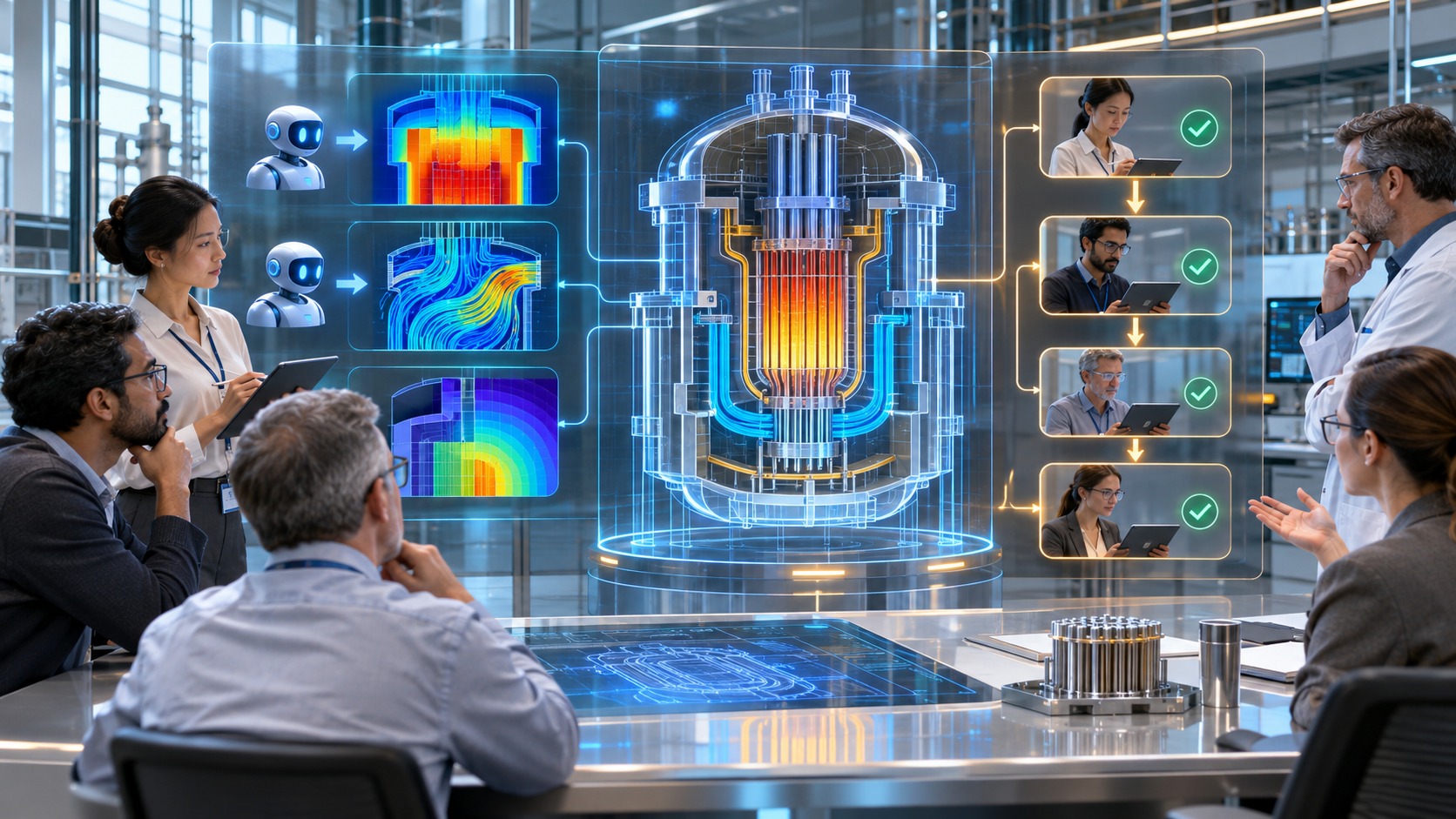
Rescale announced Agentic Projects for running engineering agents within shared context, tools, guardrails and project memory. Thermal, flow, shielding and reporting workflows for Kairos Power and ORNL’s Hermes 2 reactor program are the cited example.
Cursor added team participation, a shared task board and handoffs between coordinator agents to Projects. Each teammate can run their own chats and agents while sharing project context.
European cloud provider Nebul said it will use NetApp’s generally available Novus architecture in its sovereign AI cloud. The disaggregated design aims to scale performance, capacity and concurrency independently under a single namespace.
IBM and Microsoft announced Imagine Enterprise, a platform for building, running and governing AI agents, with a focus on regulated industries. It combines IBM Consulting assets with Microsoft Foundry, Copilot Studio, Fabric and security services.
Claroc’s GhostShares research reported that 35,578 of the 37,571 Grok Build apps online during testing opened without sign-in. The researchers said they tested write and delete actions only on two apps they created themselves.
Lenovo announced new ThinkSystem servers powered by 6th Gen AMD EPYC processors, along with storage and networking components and expanded Hybrid AI Factory services.
A Vals AI and NextLadder Ventures benchmark of 23 models across 252 scenarios found that general legal explanations are materially stronger than locating specific local help.
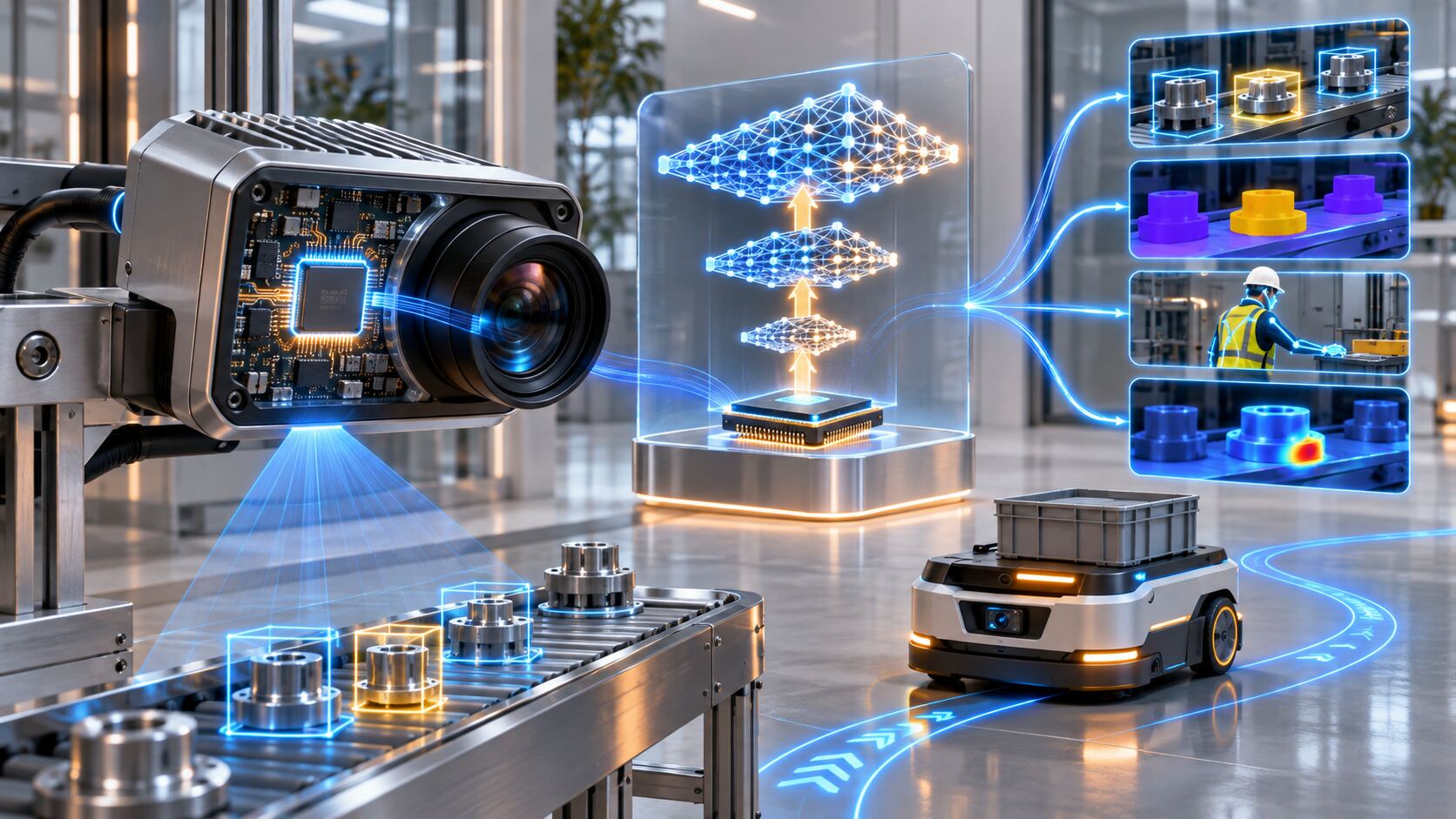
MemryX is targeting up to 10 times the peak AI compute and nearly 10 times the on-chip model memory of MX3 with the MX3+ accelerator, which is planned for 2027.