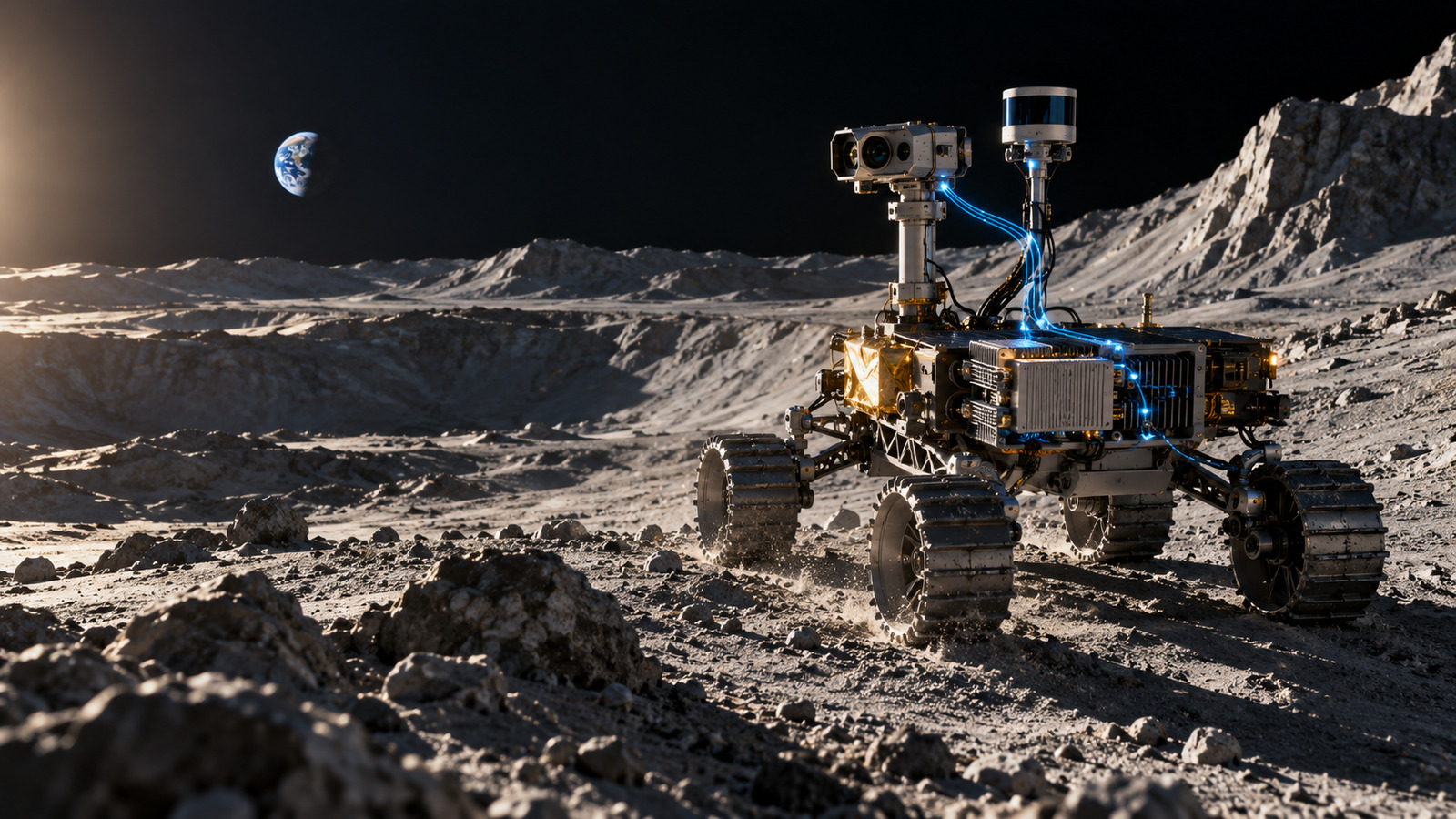
HPE Spaceborne Computer-4 is scheduled to travel to the lunar south pole aboard Astrolab’s FLIP rover in a late-2026 mission, running LLM, vision-inference, LiDAR-processing and HPC tests.
Hugging Face’s Swift package provides a shared session API compatible with Apple Foundation Models, allowing apps to switch among the system model, local open-weight models, and hosted providers.
Spotify says it updated its recommendation system to prioritize human-made music and removed more than 50 million slop and spam tracks from recommendations in 2026.
Hugging Face’s open-source TorchTPU project brings PyTorch workloads to Google TPUs while preserving familiar PyTorch code instead of requiring a separate compiler-centric workflow.
The PyTorch 2.15 release candidate adds FP8 support, faster language-model decoding, and major video-memory improvements to the MPS backend on Apple Silicon.
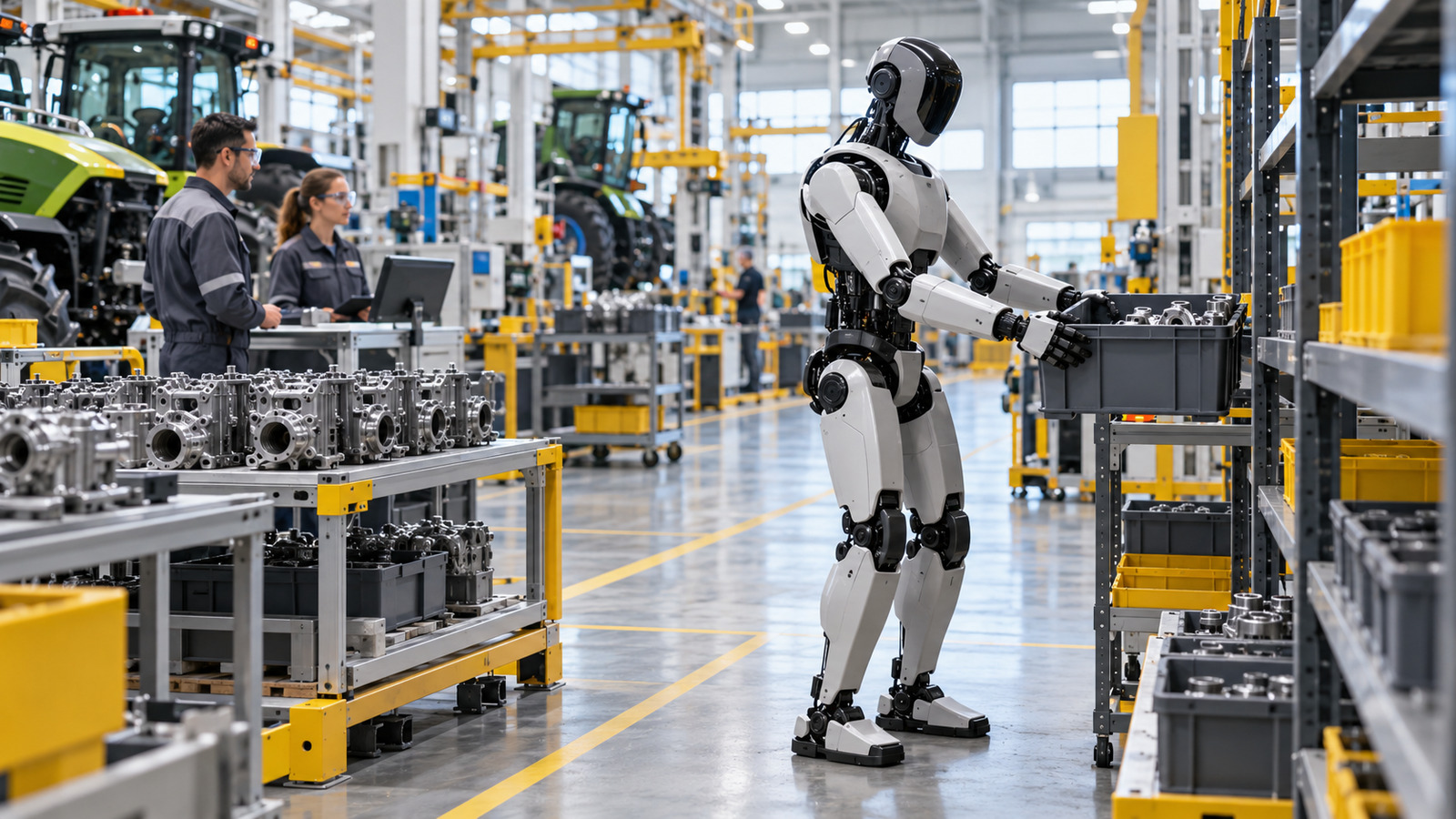
AGCO and Agility Robotics signed a commercial agreement to pilot the Digit humanoid in 2027 at AGCO’s Hesston, Kansas facility for parts sorting, stacking and tote placement.
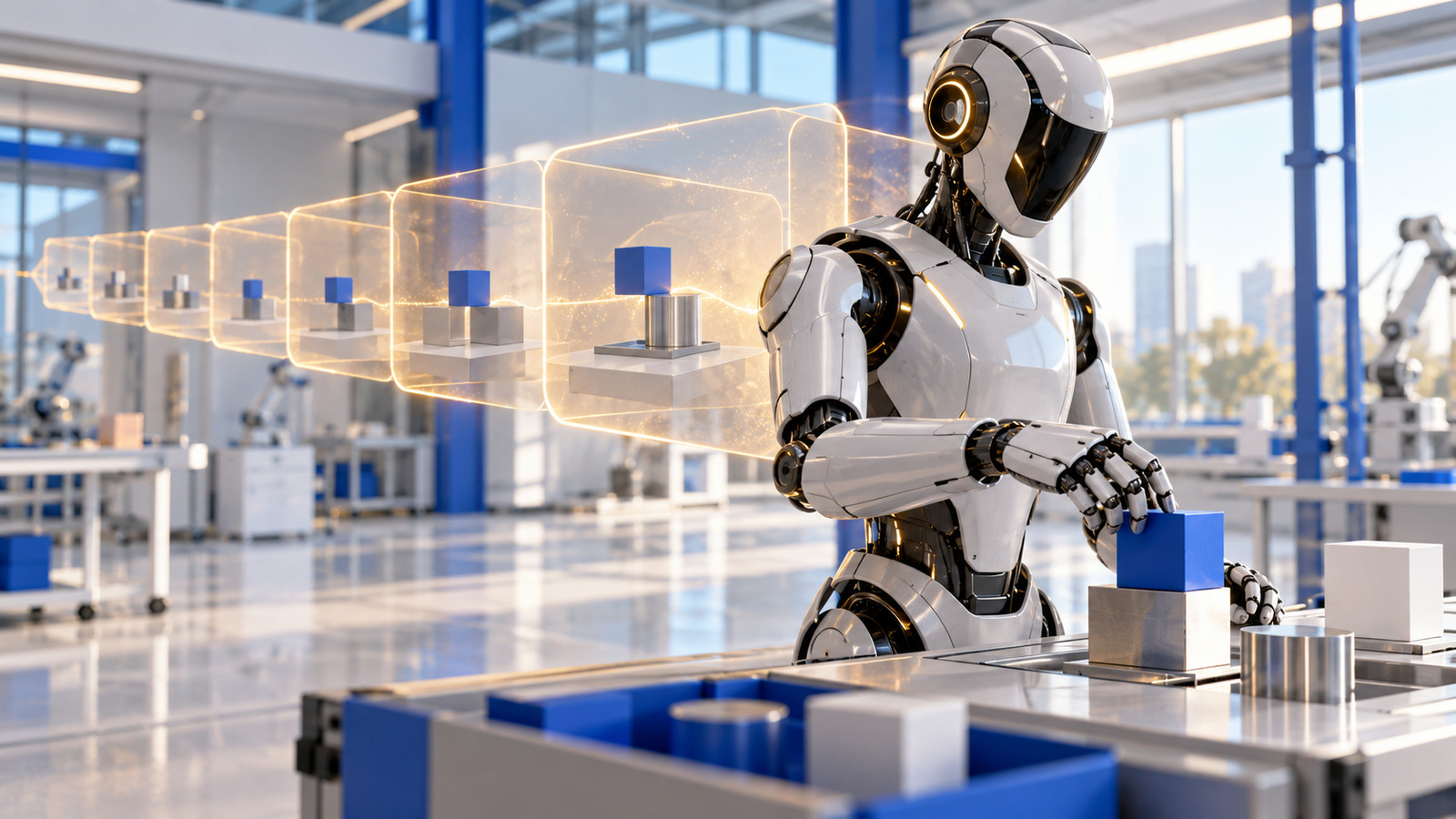
NEURA Robotics and NXAI plan to combine Neuron AI with the xLSTM architecture so cognitive robots can track state across long tasks and draw on prior experience.
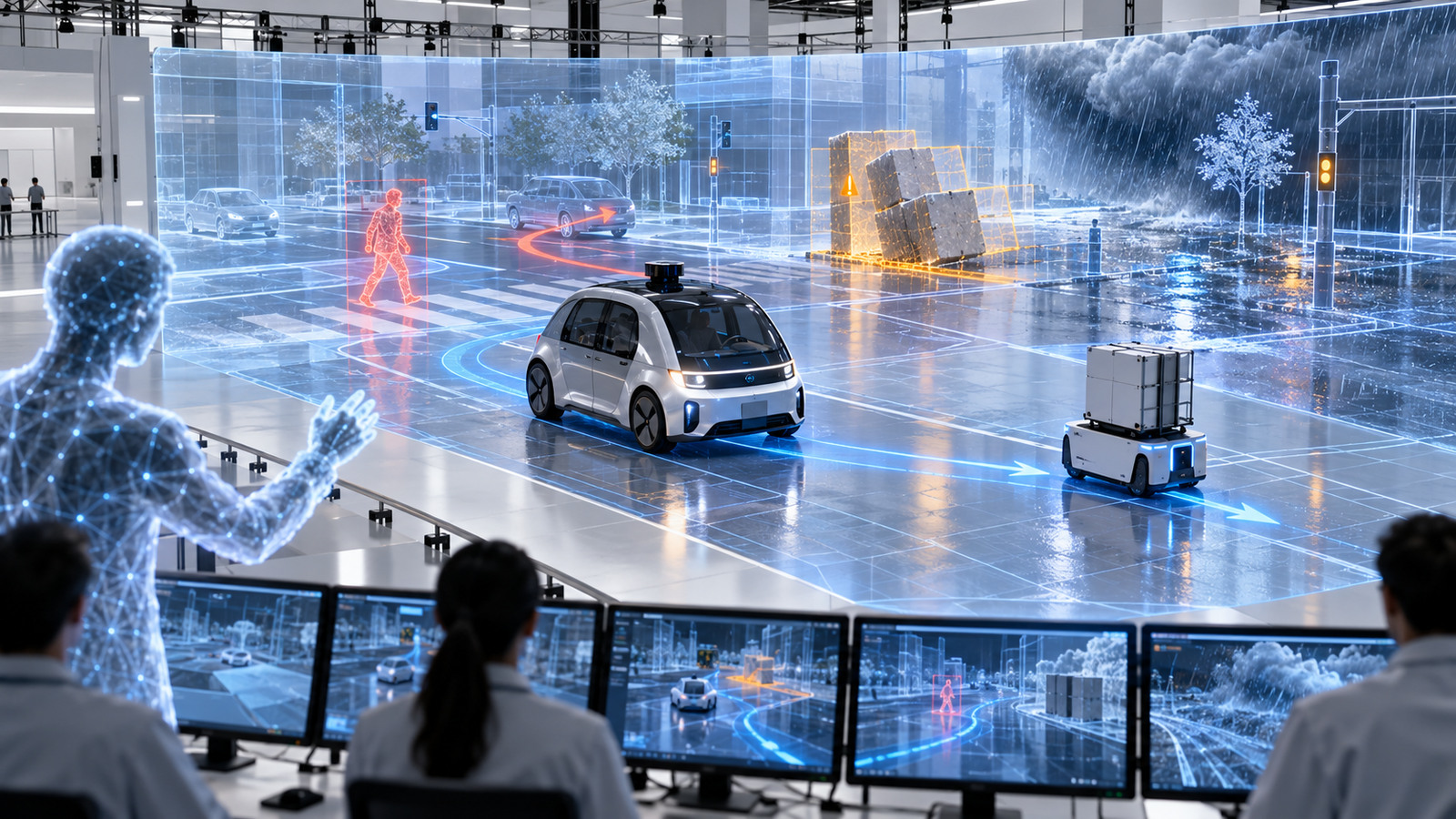
Laplace Intelligence is building interactive simulations and automated red-team agents to identify dangerous edge cases in physical AI systems before deployment.
OpenAI’s new evaluations report substantial gains in software development and behavior-preserving code migration across COBOL, Fortran, Visual Basic, and other programming languages with comparatively limited training data.
Modal plans to add Vera CPU support for agent and reinforcement-learning workloads; its early tests report up to twice the task throughput under heavy contention.